
The Evolution of Post-Implant Care
The landscape of dental implant aftercare has undergone a remarkable transformation in recent years, with practitioners and patients alike recognising that traditional approaches may not always deliver the exceptional outcomes modern dentistry demands. Whilst dental implants Navan boast impressive success rates, the period immediately following placement remains absolutely crucial for long-term stability and patient satisfaction.
Contemporary research suggests that the conventional ‘wait and see’ approach to implant healing may benefit from a more proactive, personalised strategy. Rather than simply advising patients to avoid certain foods and maintain basic oral hygiene, forward-thinking dental professionals are implementing comprehensive aftercare protocols that address everything from nutritional support to stress management during the healing process.
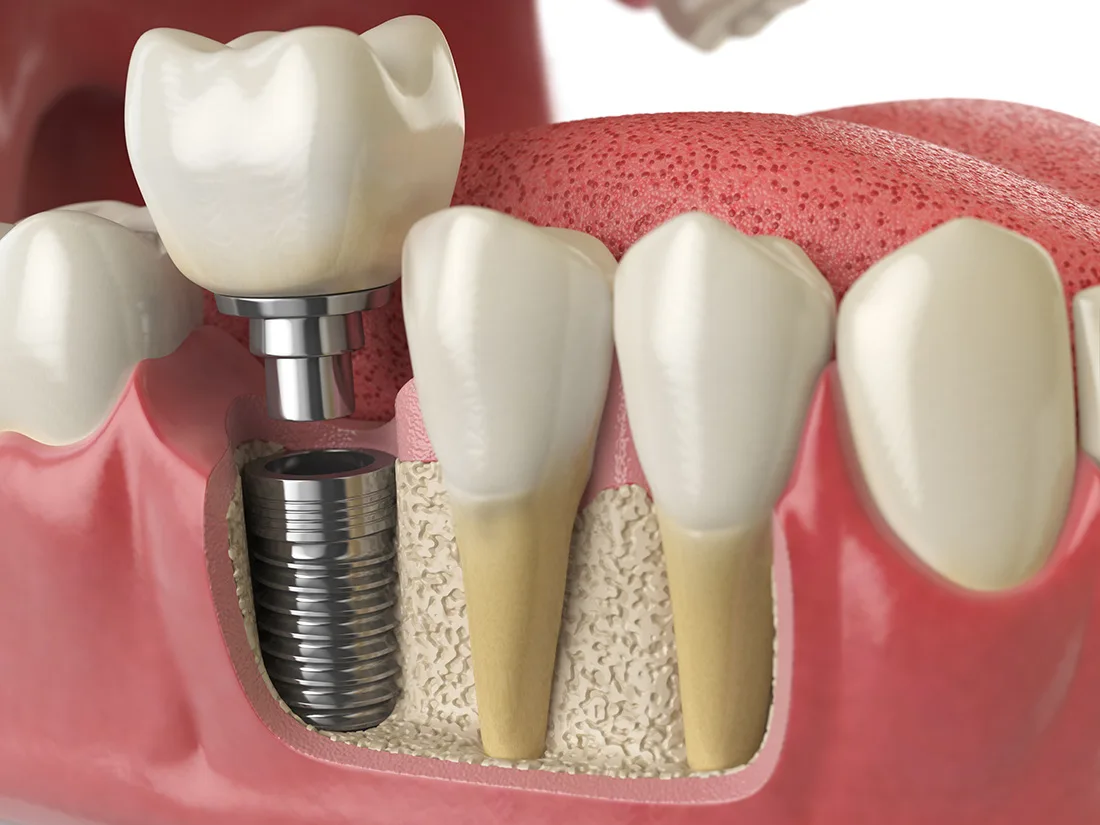
The shift towards enhanced aftercare protocols stems from a deeper understanding of osseointegration—the process by which the implant fuses with the jawbone. This biological marvel requires optimal conditions to succeed, and patients who receive dental implants are increasingly benefiting from evidence-based aftercare strategies that go beyond traditional recommendations.
Revolutionary Approaches to Immediate Post-Operative Care
The first 72 hours following implant placement have emerged as a critical window that can significantly influence the entire healing trajectory. Modern aftercare protocols now emphasise the importance of controlled inflammation management, recognising that whilst some inflammation is necessary for healing, excessive swelling can compromise blood flow to the implant site.
Progressive practitioners are incorporating anti-inflammatory protocols that extend beyond simple ice application. These may include specific dietary recommendations rich in omega-3 fatty acids, carefully timed pain management strategies, and even gentle lymphatic drainage techniques that help maintain optimal circulation around the implant site.
Nutritional Considerations for Enhanced Healing
The role of nutrition in implant success has gained considerable attention amongst dental professionals. Protein requirements increase significantly during the healing phase, with research indicating that patients may need up to 50% more protein than usual to support tissue regeneration and bone formation around the implant.
Vitamin D and calcium supplementation have also proven beneficial for osseointegration, particularly in patients with existing deficiencies. Modern aftercare programmes often include comprehensive nutritional assessments to identify potential gaps that could compromise healing outcomes.
Advanced Oral Hygiene Protocols
Traditional aftercare advice often focused on what patients shouldn’t do rather than providing clear guidance on optimal cleaning techniques. Contemporary approaches emphasise gentle but thorough cleaning methods that protect the implant site whilst maintaining overall oral health. Professional aftercare guidelines now recommend specific cleaning sequences and timing that support rather than hinder the healing process.
Antimicrobial mouth rinses, when used correctly, can provide additional protection against infection without disrupting the delicate healing environment. The key lies in understanding when to introduce these products and how to use them effectively without causing tissue irritation.
Long-term Success Through Preventive Strategies
The concept of aftercare has expanded beyond the initial healing period to encompass long-term maintenance strategies that ensure implant longevity. Regular professional monitoring has evolved from simple visual inspections to comprehensive assessments that may include radiographic evaluation and specialised cleaning protocols.
Patients receiving dental implants throughout the UK are increasingly benefitting from structured maintenance programmes that identify potential issues before they become problematic. These programmes often include professional aftercare recommendations tailored to individual risk factors and lifestyle considerations.
The integration of technology has also revolutionised long-term implant care. Digital monitoring systems can track changes in implant stability over time, whilst advanced imaging techniques allow practitioners to assess bone health around implants with unprecedented precision.
Patient Education and Empowerment
Modern aftercare emphasises patient education as a cornerstone of successful outcomes. Comprehensive post-implant care information helps patients understand their role in the healing process and empowers them to make informed decisions about their oral health.
Embracing the Future of Implant Care
The evolution of dental implant aftercare represents a paradigm shift towards personalised, evidence-based treatment that recognises each patient’s unique healing requirements. As research continues to refine our understanding of optimal implant care, patients can expect even more sophisticated approaches that maximise both immediate comfort and long-term success. The investment in comprehensive aftercare ultimately pays dividends through improved implant longevity and enhanced patient satisfaction.